The Foundation of Modern Oral Health
Preventive dental care has evolved far beyond the simple notion of avoiding cavities. Today’s approach to oral health encompasses a comprehensive strategy that addresses the intricate relationship between dental hygiene and overall wellbeing. The modern understanding of preventive dentistry provided by a dentist Limerick recognises that maintaining healthy teeth and gums requires a multifaceted approach, combining professional expertise with consistent home care practices.
The significance of preventive measures cannot be overstated, as they serve as the primary defence against a multitude of oral health complications. From periodontal disease to tooth loss, many dental issues can be prevented through proper care and regular professional intervention. This proactive approach not only preserves oral health but also contributes to improved quality of life and reduced healthcare costs over time.
Professional Preventive Services
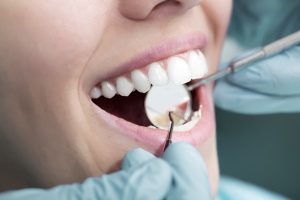
Regular dental examinations form the cornerstone of preventive care, with dental professionals employing sophisticated diagnostic tools to identify potential issues before they become problematic. These comprehensive assessments typically include thorough cleaning procedures, fluoride treatments, and detailed oral health evaluations that can detect early signs of decay, gum disease, or other complications.
Professional cleanings remove plaque and tartar buildup that cannot be addressed through home care alone. Dental hygienists utilise specialised instruments to access areas between teeth and below the gum line, ensuring a level of cleanliness that supports long-term oral health. Many practices incorporate advanced technologies such as digital radiography and intraoral cameras to enhance diagnostic accuracy.
Essential Home Care Techniques
Brushing and Flossing Fundamentals
The foundation of home preventive care lies in proper brushing and flossing techniques. Effective brushing involves using fluoride toothpaste with gentle, circular motions for at least two minutes, twice daily. The selection of appropriate toothbrush bristles and replacement schedules plays a crucial role in maintaining optimal cleaning effectiveness whilst protecting tooth enamel and gum tissue.
Daily flossing remains equally important, as it removes food particles and plaque from interdental spaces where toothbrush bristles cannot reach. Professional guidance on home oral care practices emphasises the importance of proper flossing technique to maximise benefits whilst avoiding gum irritation.
Advanced Home Care Solutions
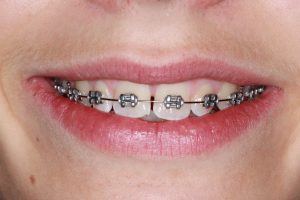
Modern preventive care extends beyond traditional brushing and flossing to include innovative tools and techniques. Electric toothbrushes offer enhanced plaque removal capabilities, whilst water flossers provide alternative interdental cleaning methods particularly beneficial for individuals with orthodontic appliances or mobility limitations.
Antimicrobial mouthwashes serve as valuable adjuncts to mechanical cleaning methods, helping to reduce bacterial populations and freshen breath. However, these products should complement, rather than replace, proper brushing and flossing routines. The timing of mouthwash use can influence its effectiveness, with many dental professionals recommending use at different times from brushing to maximise fluoride retention.
Nutritional Considerations for Oral Health
Diet plays a fundamental role in preventive dental care, with certain foods and beverages contributing to tooth decay whilst others support oral health. Sugar and acid consumption patterns significantly impact cavity formation, making dietary awareness an essential component of prevention strategies. Understanding the relationship between meal timing, food choices, and oral pH levels empowers individuals to make informed decisions about their eating habits.
Calcium-rich foods, leafy greens, and foods high in phosphorus contribute to tooth remineralisation and enamel strength. Conversely, frequent snacking on sugary or acidic foods creates an environment conducive to bacterial growth and enamel erosion. Comprehensive preventive dental care strategies often include detailed nutritional guidance tailored to individual needs and risk factors.
Age-Specific Preventive Approaches
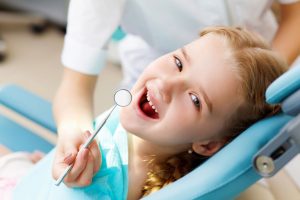
Preventive dental care requirements evolve throughout different life stages, necessitating tailored approaches for optimal effectiveness. Children benefit from fluoride treatments, dental sealants, and early orthodontic assessments, whilst adults may require more focused attention on periodontal health and restoration maintenance. Elderly patients often face unique challenges related to medication effects, reduced dexterity, and age-related oral health changes.
Pregnancy presents particular considerations for preventive care, as hormonal changes can increase susceptibility to gum inflammation and other oral health issues. Preventive dental care guidance for all age groups emphasises the importance of adapting prevention strategies to meet specific developmental and physiological needs.
The Future of Preventive Dental Care
Preventive dental care continues to evolve, incorporating technological advances and evidence-based practices that enhance treatment outcomes. The integration of digital health monitoring, personalised risk assessments, and minimally invasive interventions represents the future direction of oral health maintenance. By embracing comprehensive preventive approaches, individuals can achieve optimal oral health outcomes whilst minimising the need for extensive dental treatments throughout their lives.