Understanding the Role of Tooth Extraction in Modern Orthodontics
The notion of having teeth removed as part of orthodontic treatment can understandably cause concern amongst patients. However, tooth extraction remains a valuable and sometimes essential tool in achieving optimal dental outcomes. Whilst modern orthodontics has evolved to embrace more conservative approaches where possible, there are clinical scenarios where extraction provides the foundation for superior long-term results. Understanding when and why this approach is recommended can help patients appreciate the clinical reasoning behind such decisions.
Orthodontic treatment aims to create not only an aesthetically pleasing smile but also a functional bite that supports long-term oral health. In cases of severe crowding, protrusion, or specific skeletal discrepancies, attempting to align teeth without extractions may lead to compromised results. The decision to extract teeth is never taken lightly and requires careful assessment of facial proportions, dental arch dimensions, and individual patient characteristics. A Specialist Orthodontist Battersea will conduct thorough diagnostic evaluations before recommending such treatment.
Clinical Situations That May Warrant Tooth Removal
Severe Dental Crowding
When the jaw simply does not provide adequate space for all permanent teeth to align properly, crowding occurs. Mild crowding can often be addressed through expansion techniques or interproximal reduction, but severe crowding presents a different challenge. In these cases, strategic tooth extraction in orthodontic treatment creates the necessary space for proper alignment. Without extraction, attempting to fit all teeth into insufficient space may result in unstable outcomes, increased risk of relapse, or compromised periodontal health.
Protrusion and Profile Considerations
Patients presenting with significant dental protrusion often benefit from extraction-based treatment plans. When the front teeth angle excessively forward, it affects both facial aesthetics and function. Removing selected teeth allows the remaining anterior teeth to be retracted, improving lip posture and facial balance. This approach can dramatically enhance facial harmony whilst simultaneously correcting the bite, providing outcomes that non-extraction methods simply cannot achieve in these particular cases.
Addressing Skeletal Discrepancies
Certain jaw relationships create challenges that extraction can help mitigate. When there is a significant discrepancy between the upper and lower jaw positions, strategic removal of teeth can compensate for moderate skeletal imbalances. This approach may eliminate the need for more invasive surgical interventions in borderline cases, providing patients with excellent results through orthodontics alone. The careful selection of which teeth to extract depends upon the specific nature of the skeletal relationship and the desired treatment outcome.
The Science Behind Extraction Decisions
Modern orthodontic diagnosis relies upon comprehensive records, including radiographs, photographs, and detailed measurements. Research has consistently demonstrated that extraction-based treatment, when appropriately indicated, produces stable and aesthetically pleasing results. Studies examining long-term outcomes of orthodontic extraction treatment have shown high levels of patient satisfaction and treatment stability when cases are properly selected and executed.
The decision-making process involves analysing multiple factors simultaneously. Orthodontists assess dental and skeletal relationships, facial proportions, soft tissue characteristics, and individual patient goals. Advanced diagnostic tools and treatment planning software allow clinicians to predict outcomes with remarkable accuracy, ensuring that extraction decisions are based upon solid clinical evidence rather than arbitrary preferences.
Balancing Conservative and Extraction Approaches
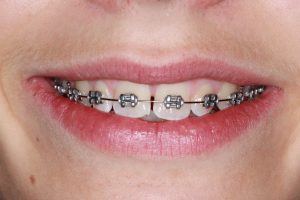
The orthodontic profession continues to refine guidelines regarding when extraction provides superior outcomes compared to non-extraction alternatives. Neither approach is universally superior; rather, each case demands individual assessment. The relationship between braces and extractions in orthodontics remains a topic of ongoing clinical discussion and research, with practitioners continually updating their protocols based on emerging evidence.
Patients should feel reassured that contemporary orthodontic practice favours tooth preservation whenever clinically appropriate. However, when extraction is recommended, it reflects a considered clinical judgement that this approach will deliver the best possible outcome for that individual’s unique circumstances.
Making Informed Treatment Decisions
Ultimately, the choice to proceed with extraction-based orthodontic treatment should involve a thorough discussion between patient and clinician. Understanding the rationale behind such recommendations empowers patients to make informed decisions about their care. When an orthodontist recommends tooth removal as part of treatment, it represents a commitment to achieving optimal results that will serve the patient well for decades to come, balancing aesthetic goals with functional excellence and long-term stability.