The Surprising Parallels Between Pet Care and Dental Health
At first glance, brushing one’s teeth and caring for a beloved pet might seem worlds apart. However, a closer examination reveals remarkable similarities between these two routines that most people practise daily. Both require consistency, attention to detail, and a proactive approach to prevention rather than cure. Understanding these parallels can transform how individuals approach their oral health, making dental maintenance feel less like a chore and more like the natural act of care it truly represents.
Pet owners rarely question the importance of regular veterinary check-ups, proper nutrition, and daily grooming for their furry companions. They recognise that neglecting these responsibilities leads to discomfort and health complications for their pets. The same principle applies to dental care, where regular visits to a dentist Pinner residents trust, combined with daily maintenance, prevents more serious problems from developing. Just as one wouldn’t skip feeding a pet for days on end, consistent dental hygiene should become an equally non-negotiable part of daily life.
Consistency: The Foundation of Both Routines
The cornerstone of effective pet care lies in establishing and maintaining consistent routines. Dogs thrive on regular feeding times, walks, and play sessions. Cats require predictable litter maintenance and interactive engagement. This same principle of consistency forms the bedrock of proper dental hygiene. Brushing twice daily, flossing regularly, and maintaining scheduled dental appointments creates a framework that supports long-term oral health.
When pet owners miss a day of feeding or grooming, they notice immediate consequences in their pet’s behaviour and wellbeing. Similarly, skipping dental care routines allows plaque and bacteria to accumulate rapidly, leading to gum inflammation and potential decay. Proper dental hygiene practices emphasise that regularity matters more than intensity, much like how daily short walks benefit a dog more than occasional marathon sessions.
Prevention Through Regular Monitoring
Spotting Problems Early
Attentive pet owners regularly check their animals for signs of distress, unusual behaviour, or physical changes. They examine coats for parasites, monitor eating habits, and watch for limping or lethargy. This vigilant approach to prevention mirrors the mindset required for maintaining optimal dental health.
Regular self-examination of one’s teeth and gums can reveal early warning signs such as bleeding, sensitivity, or discolouration. Just as pet owners learn to recognise subtle changes in their companion’s demeanour, individuals can develop awareness of their oral health status. This proactive monitoring allows for early intervention before minor issues escalate into painful and costly problems requiring extensive treatment.
The Role of Professional Expertise
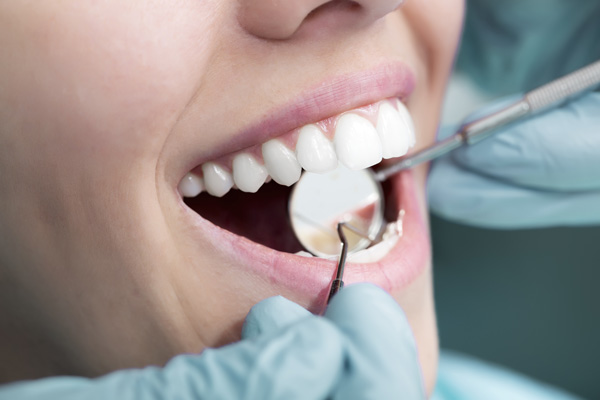
No matter how dedicated a pet owner might be, professional veterinary care remains essential for comprehensive health maintenance. Vets possess specialised knowledge and equipment to identify issues invisible to the untrained eye. The dental profession operates on identical principles, with regular check-ups providing opportunities for professional cleaning, X-rays, and examinations that detect problems in their earliest stages.
Many people underestimate the value of professional dental assessments, assuming that if nothing hurts, everything must be fine. Pet owners understand this fallacy well, knowing that animals often mask pain and discomfort until conditions become severe. Daily routines for optimal dental care work in conjunction with professional oversight to create a comprehensive approach to oral health maintenance.
Tools and Techniques for Success
Pet care requires appropriate tools: brushes suited to coat types, nail clippers, appropriate food bowls, and quality nutrition. Similarly, effective dental care demands proper equipment. Soft-bristled toothbrushes, fluoride toothpaste, interdental brushes, and quality floss all serve specific purposes in maintaining oral hygiene. Investing in proper tools demonstrates commitment to the process and yields superior results.
The technique matters as much as the tools themselves. Pet groomers employ specific brushing patterns and methods tailored to different breeds and coat types. Dental hygiene also benefits from proper technique, including brushing at the correct angle, using gentle circular motions, and ensuring all surfaces receive adequate attention. Understanding proper oral hygiene techniques enhances the effectiveness of daily routines and maximises the benefits of time invested in dental care.
Building Sustainable Habits for Lifelong Health
The parallels between pet care and dental maintenance ultimately reveal a fundamental truth: sustainable health practices require commitment, consistency, and compassion. By approaching dental care with the same dedication shown to beloved pets, individuals can transform their oral health outcomes. These routines need not feel burdensome when viewed through the lens of preventive care and long-term wellbeing. Establishing these habits today ensures healthier teeth and gums for years to come, much like consistent pet care ensures a companion’s vitality throughout their life.